
Sign up for any of the below classes by clicking the link here: Med Talks Sign Up
Have any questions? : Click Here
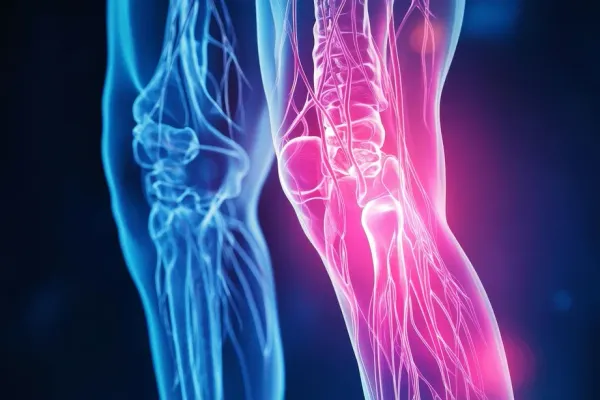
Oh, My Aching Bones – Basics of Musculoskeletal Pain
Joint pain can be caused by many factors. Degenerative arthritis results from overuse of joints and muscles or from chronic injury. Osteoarthritis stems from the natural changes in the joints from age. Joint pain related to an underlying medical issue like cancer, rheumatoid arthritis, fibromyalgia is yes another type of pain. Each of causes of joint pain have different mechanisms and understanding the details of how the body handles that pain can help us to take steps that help to alleviate that pain.

Be Still my Beating Heart – Risks of Heart Disease
Heart Disease is the #1 cause of mortality after the age of 50 world-wide. The risks that lead to heart disease have been well identified and understanding those factors that increase our risks can empower us to change and minimize those risks. Many factors are in our control and working on fundamental lifestyle changes effectively and consistently can literally save our lives.
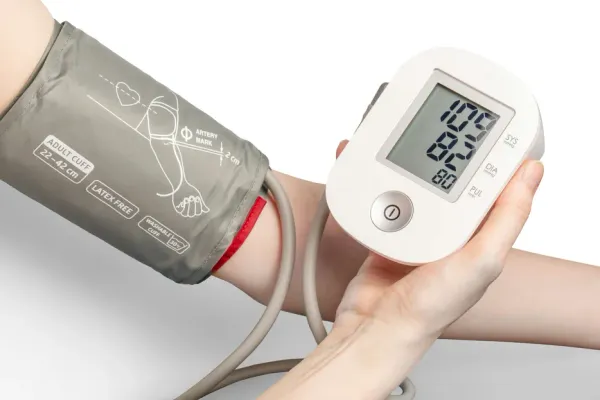
The Highs and Lows – Science of Blood Pressure
As prevalent as elevated blood pressure is world-wide, an understanding of its causes and impacts on health is critical. In addition, understanding the factors that increase blood pressure in our bodies gives us the ability to modify
those factors to positively impact our own health. There are things in our own control that can improve blood pressure – we just need to understand how to use those tools.

How Sweet It Is – Science of Diabetes
Diabetes is one of the most common causes of health complications and hospital admissions. Effective management of diabetes is central to long term good health. Understanding how our body manages sugars and how diabetes medications work
are both fundamental steps in understanding diabetes and taking the steps to living a long healthy life.

To Statin or Not to Statin – Basics of Cholesterol
The old adage that we are what we eat is not simply a saying when it comes to cholesterol control. As well-established risk factor for heart disease, cholesterol control is critical to a long healthy life. Understanding why this little molecule can cause such problems and learning how to modify your diet to reduce intake can go a long way to reducing risk for heart disease.

Run Forest Run – Exercise and Weight Loss Science
Optimum health not a number that we see on a scale but a sense of balance between diet, exercise and an understanding of our goals for good health. If we can recognize out body’s signals about hunger and satiety and the physiological benefits of various types of exercise, we can tailor our own approach to a balance of diet and exercise. With the new influx of medications now that can assist with weight loss, understanding their mechanisms can also allow us to make more informed decisions.

Nectar of the Gods – Science of Nutrition
The human body is a fantastic machine that is fully capable of taking care of itself as long as we learn to recognize and listen to its rhythm. Knowing how our body processes various kinds of foods and recognizing the internal drives related to hunger and craving can help us to modify our approach to nutrition. When the lifestyle changes we implement are firmly rooted in an understanding of how our body works and learning to recognize its hints is the key to successful eating.

Balancing Life – Science of Yoga and Meditation
We are our minds. That insightful old adage is central to understanding the role of Yoga and Meditation. Everything in our body starts with a thought and our ability to understand that process is central to a sense of inner peace. From
a medical standpoint, the changes on a cellular level in the body that come from Yoga and Meditation have profound long-term benefits for a long healthy life.

Memphis Blues – Science of Depression and Anxiety
Mood Disorders are a complex intersection of genetics, neurotransmitters and the environment. Effective treatment requires understanding how each plays a role. The path forward relies on reflection of their influence on how we view our lives and in turn now we can change our perspectives and outlook for our future.

Painfully True – Neurobiology of Pain
Our understanding of pain has improved significantly in the last three decades. It is no longer the old approach of take an aspirin and call me in the morning. We now know that different types of pain have different mechanisms and need to managed in different ways. A multifocal approach, using medications, physical therapy, movement, mindfulness and reflection can go a long way to fundamentally improving our ability to engage in the world and live our lives to the fullest.

Breath of Life – Asthma / COPD Foundations
Breathing is an instinctual behavior and one we often take for granted until there are problems. As with any other muscles, regular exercise helps our breathing muscles. For those with asthma and COPD, in addition to medications and inhalers, there are other options to maximize our breathing efficiency with simple breathing exercises, avoiding known triggers and paying to attention to our diet. All we have to do is learn again to Just Breathe.

Sweet Dreams – Foundations of Sleep
Sleep is among the most complex functions in our bodies. It is also very critical and central to our well being. Those that have difficulty with sleep, better understand what a blessing a good night’s sleep can be. Understanding the impacts of poor sleep will help us see the importance of good sleep hygiene. A good night’s sleep does not “just happen” for everyone and taking steps to improve your chances of a restful night can make the next day that much better.